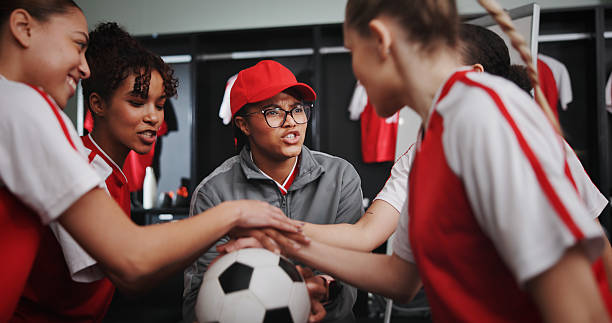
Performance Coaching focuses on empowering athletes to achieve their full potential, both physically and mentally. Through a well-structured approach, it integrates mindset training with performance strategies to create a comprehensive framework for success in sports.
What is Performance Coaching?
- Mental toughness: The ability to stay calm and focused under challenging circumstances.
- Optimized decision-making: Enhancing quick thinking during high-stress situations.
- Confidence building: Strengthening self-belief to perform at one’s peak.
Key Components of Mindset Training
- Goal Setting
Athletes are taught how to establish clear and measurable goals that align with both their short-term aspirations and long-term vision. -
Example: Setting performance benchmarks for each game or season.
-
Visualization Techniques
Mental imagery helps athletes rehearse key plays or moments in their minds before executing them on the field. -
Benefits include improved confidence and reduced anxiety.
-
Emotional Regulation
Learning how to manage emotions during competition ensures better focus: - Controlling frustration after a mistake.
-
Avoiding overexcitement that can lead to errors.
-
Stress Management Tools
Utilizing tools like mindfulness exercises, breathing techniques, or progressive muscle relaxation can help athletes maintain composure under pressure.
| Technique | Purpose | Example |
|---|---|---|
| Visualization | Build confidence & reduce anxiety | Picturing a successful free throw in basketball |
| Breathing Exercises | Immediate stress reduction | Deep diaphragmatic breathing pre-performance |
| Progressive Relaxation | Relieve physical tension | Tensing then releasing muscle groups |
Why Mindset Training Matters for Athletes
Mental conditioning is just as essential as physical training because the mind governs actions on the field, track, or court. Even elite athletes often attribute their success not just to physical prowess but also to mental strength.
Benefits include: – Improved focus during high-stakes moments such as playoffs or finals. – Greater adaptability when facing unexpected challenges like injuries or tough opponents. – Enhanced self-discipline both during training and competition.
Customized Solutions at Athans Coaching
The strength of Performance Coaching lies in its customizable approach tailored specifically for each athlete. No two individuals are alike; therefore: – Assessments are conducted before starting any program. – Tailored insights into an athlete’s unique strengths and weaknesses allow for precise intervention strategies.
Whether you’re navigating early stages of your athletic career or competing professionally, investing in mindset training equips you with lifelong tools for consistent excellence in sports performance.
McLean VA sports psychology counseling for Team Cohesion and Peak Performance
Team mindset training is an essential component for fostering cohesion, trust, and peak performance within athletic teams. Success in sports depends not only on individual talent but also on the collective synergy of the team. A strong, focused team mindset can be the difference between consistent performance and falling short of potential. Below, we explore key facets of effective team mindset training and strategies for cultivating a high-performing team culture.
Key Objectives of Team Mindset Training with a Sports Psychologist McLean VA
- Trust is the foundation of any successful team. Athletes must feel confident that their teammates will support them both on and off the field.
- Open communication and vulnerability among team members can strengthen trust.
-
Activities like trust-building exercises or sharing personal experiences foster deeper connections.
- Clear communication minimizes misunderstandings during high-pressure situations.
- Teams benefit from learning how to provide constructive feedback and resolve conflicts effectively.
-
Implementing tools such as pre-competition meetings or debriefs after games improves communication.
- A unified vision ensures all athletes are working toward a common objective.
- Coaches should collaborate with players to establish both short-term goals (e.g., improving teamwork in practice) and long-term goals (e.g., winning championships).
-
Regularly revisiting these goals keeps the entire team motivated.
- Accountability ensures each athlete takes ownership of their role within the team structure.
- Teams can implement systems where athletes hold themselves—and each other—responsible for meeting expectations.
Practical Strategies for Building Team Cohesion
- Mental Skills Training as a Group: Guided visualization sessions or relaxation techniques practiced together can create shared mental frameworks, enhancing group focus during competition.
- Role Definition: Clearly defined roles eliminate confusion about responsibilities, whether on offense, defense, or in leadership positions.
- Celebrate Successes: Recognizing individual contributions and collective victories reinforces positive behavior patterns across the group.
The Role of Coaches in Team Mindset Development
| Coach’s Responsibility | Impact on Team Dynamics |
|---|---|
| Encouraging open dialogue | Builds trust between players and staff |
| Modeling positive behavior | Sets an example for athletes to emulate |
| Providing tailored motivation | Keeps athletes focused during adversity |
Benefits of Strong Team Mindset
- Improved resilience under pressure
- Increased overall performance consistency
- Greater satisfaction among teammates due to reduced conflicts
- Heightened innovation through collaborative problem-solving
Training a team’s mindset requires ongoing effort, adaptability, and commitment from both players and coaching staff. By prioritizing open communication, trust-building exercises, and shared responsibility systems, teams are better positioned to achieve peak performance together as cohesive units.
Team Mindset Training to Build Cohesion and Peak Performance
Successful teams are built not only on physical ability but also on their collective mental resilience and unity. Team mindset training focuses on fostering collaboration, communication, and shared goals to drive exceptional group performance. A sports psychologist can play a pivotal role in shaping these dynamics, creating an environment where every team member thrives.
Key Components of Team Mindset Training
- Aligning the team around clear goals and values is essential for cohesion.
-
Teams that share a unifying purpose are more likely to persevere during setbacks.
- Trust fosters open communication, mutual respect, and accountability.
-
Tools such as trust-building exercises and open discussions enhance relationships within the team.
- Effective communication minimizes misunderstandings and strengthens tactical coordination during games or competitions.
-
Techniques include active listening exercises, non-verbal communication awareness, and conflict resolution strategies.
- Teams trained to handle adversity together rebound more effectively from losses or challenges.
- Strategies include group visualization sessions, stress management techniques, and post-performance evaluations to identify areas for growth.
Benefits of Team Mindset Training
| Benefit | Description |
|---|---|
| Improved Cohesion | A unified approach leads to better synchronization during practices/games. |
| Enhanced Problem Solving | Collective decision-making becomes faster and more effective under pressure. |
| Increased Motivation | Shared goals inspire each athlete to give their best effort consistently. |
| Better Stress Management | Teams learn how to maintain focus regardless of external pressures. |
Practical Strategies for Coaches
- Team Building Activities: Structured exercises designed to promote understanding and camaraderie among players.
- Focus on Roles & Responsibilities: Helping athletes understand their individual contributions within the team framework.
- Pre-Game Mental Preparation: Guided breathing techniques or motivational group talks before competition.
- Post-Match Reflections: Encouraging open feedback from players while celebrating successes as a unit.
The Role of Leadership in Mindset Training
- Coaches should model behaviors they want reflected within their teams—whether it’s resilience under pressure or maintaining positivity during setbacks.
- Captains or senior players can act as mental performance advocates by encouraging teammates through challenges.
By focusing on psychological aspects alongside physical preparation, team mindset training paves the way for sustained success both on and off the field.
Athlete Performance Coaching McLean VA for Leadership and Growth Development
Effective coaching is not merely about improving technical skills or creating game strategies. It involves fostering leadership qualities within coaches and equipping them with the tools to support the mental and emotional development of their athletes. This dual focus on leadership and athlete growth forms the cornerstone of sustainable success in sports.
The Role of Coaches in Leadership and Athlete Development
- Leadership by Example: Coaches model behaviors such as discipline, resilience, and a growth mindset.
- Mentorship: Offering guidance to athletes beyond their physical performance, including navigating challenges on and off the field.
- Creating an Empowering Environment: Encouraging open communication, fostering trust, and creating a culture that prioritizes teamwork.
- Goal Setting: Assisting athletes in setting measurable goals for personal growth and performance improvement.
Key Areas for Coach Development
1. Emotional Intelligence (EQ)
Coaches with high emotional intelligence can better understand, empathize with, and support their athletes. Building EQ involves: – Recognizing emotions in oneself and others. – Managing stress effectively during high-pressure situations. – Adapting communication styles based on individual athlete needs.
2. Communication Skills
Clear communication is essential for building trust with athletes. Some ways to improve include: – Practicing active listening during conversations. – Using positive reinforcement to motivate athletes. – Avoiding overly critical language that could hinder confidence.
3. Mental Performance Strategies
A coach well-trained in mental performance techniques can help athletes build resilience under pressure: – Incorporating visualization exercises into training routines. – Teaching mindfulness techniques to improve focus during competitions.
| Skill/Quality | Benefit for Athletes | Result |
|---|---|---|
| Emotional Intelligence | Builds stronger relationships | Increased trust & team cohesion |
| Communication Skills | Ensures clarity & motivation | Greater confidence & understanding |
| Mental Performance | Prepares athletes for high-pressure moments | Enhanced focus & resilience |
4. Conflict Resolution
Addressing conflicts promptly and constructively helps maintain team harmony: – Identifying underlying issues rather than addressing only surface-level problems. – Facilitating open discussions among team members to resolve misunderstandings.

Benefits of Investing in Coach Development
-
Stronger Team Cohesion A coach with strong leadership skills fosters unity among players by aligning them around shared goals.
-
Improved Athletic Performance Athletes who feel supported mentally often perform better physically due to increased confidence.
-
Better Retention Rates Positive coach-athlete relationships reduce burnout rates, keeping players engaged both on the field and during practice sessions.
By focusing on enhancing leadership capacity alongside supporting athlete development, coaches create an environment where everyone thrives—on both personal and professional levels. This intentional approach contributes not only to immediate wins but also long-term success for teams as a whole.
Understanding Yourself: The First Step in Mental Performance Excellence
To achieve mental performance excellence in sports, understanding yourself is the foundation. This critical step helps athletes unlock their true potential by fostering self-awareness, identifying strengths and limitations, and setting a clear path for growth. Here’s how you can prioritize self-understanding to enhance your mental and athletic performance.
Why Self-Awareness Matters
- Manage stress during critical moments.
- Build focus and concentration despite distractions.
- Overcome self-doubt or fear of failure.
- Align goals with personal values, creating a deeper sense of purpose.
Steps to Develop Self-Awareness
- Identify patterns during successful performances: What mindset contributed to your success?
-
Examine moments of struggle: What internal barriers held you back?
- Use tools such as personality assessments or mental skills inventories.
-
Gain feedback from coaches or teammates for an external perspective.
- Maintain a journal to document emotions experienced in training or competition.
-
Identify triggers for positive emotions (confidence, motivation) versus negative ones (frustration, anxiety).
- Define what drives you as an athlete—your “why.”
- Ensure goals align with personal values for sustained motivation.
Tools for Self-Assessment
| Tool | Purpose | Example Practice |
|---|---|---|
| Journaling | Document thoughts and emotions regularly | Write about pre-competition routines |
| Visualization | Mentally rehearse scenarios to understand reactions | Imagine overcoming pressure situations |
| Mindset Surveys | Evaluate mental skills like focus, resilience, or confidence | Use online assessments |
| Meditation & Mindfulness | Build awareness of thoughts without judgment | Practice 5–10 minutes daily |
Benefits of Starting with Self-Understanding
- Improved Decision-Making: Greater awareness helps athletes react thoughtfully rather than impulsively during high-pressure situations.
- Enhanced Emotional Regulation: Recognizing emotional cues allows better control over nerves or frustration on game day.
- Stronger Mental Resilience: When athletes understand their stressors and coping mechanisms, they bounce back more effectively from setbacks.
Practical Tips for Athletes
- Schedule weekly check-ins with yourself to reflect on progress in training and competition.
- Incorporate meditation or mindfulness exercises into your daily routine.
- Seek guidance from a sports psychologist or mindset coach who specializes in enhancing self-awareness.
Developing deep self-awareness is not a one-time task; it’s a continuous journey that evolves through practice and commitment. By taking the time to truly understand yourself as an individual and an athlete, you set the stage for long-term growth both mentally and physically.
Identifying Barriers and Cultivating Habits of Peak Performers
Achieving peak performance requires more than physical skill and tactical knowledge. Mental resilience, focus, and consistent habits play a crucial role in allowing athletes to perform at their best. However, before cultivating these habits, it’s essential to identify the barriers that may be limiting progress. By addressing these obstacles and fostering effective routines, athletes can unlock their full potential.
Common Barriers to Peak Performance
-
Lack of Confidence
Doubting one’s abilities can lead to hesitation during critical moments in competition. -
Fear of Failure
Anxiety about making mistakes can prevent athletes from taking risks or performing at their peak level. -
Negative Self-Talk
A cycle of internal criticism may reduce focus and sap motivation. -
Poor Stress Management
High-pressure situations can overwhelm an athlete who lacks coping mechanisms. -
Inconsistent Routines or Preparation
Without structure and discipline, the foundation for peak performance may be unstable.
By identifying these challenges, athletes can work toward addressing them systematically with actionable strategies.
Cultivating Effective Habits for Peak Performance
- Establish short-term and long-term objectives that are specific, measurable, achievable, relevant, and time-bound (SMART).
-
Break down larger goals into manageable steps for consistent progress.
-
Incorporate mindfulness practices such as meditation or breathing exercises to improve focus under pressure.
-
Regularly visualize successful outcomes during training or competition to build confidence and reinforce positive mental imagery.
-
Develop rituals before practices or games (e.g., warm-ups, mental check-ins). These routines help create a sense of control and readiness.
-
Replace negative thoughts with affirmations that encourage perseverance and self-belief: “I am prepared,” “I trust my training.”
- Prioritize recovery through proper nutrition, sleep hygiene, stretching routines, or even mental relaxation sessions to prevent burnout.
A Framework for Overcoming Obstacles
| Step | Action | Example |
|---|---|---|
| Awareness | Identify areas of struggle | Recognize negative self-talk during competitions |
| Reflection | Assess the root cause | Determine if fear of failure is driving anxiety |
| Goal Setting | Define objectives for improvement | Build confidence by setting small daily targets |
| Routine-Building | Develop daily habits aligned with goals | Practice visualization techniques every evening |
| Monitoring Progress | Track improvements over time | Keep a journal noting mindset shifts |
This systematic approach ensures measurable results while maintaining focus on long-term growth.
Focusing on identifying obstacles alongside building sustainable habits ensures athletes not only overcome their challenges but also lay the groundwork for consistent high performance over time.
- Achieve Peak Performance with McLean VA Sports Psychology Counseling
- Exploring Performance Psychology McLean VA and Its Role in Athletic Success
- Exploring Performance Psychology in McLean VA: Enhancing Athletes’ Mental Well-being and Success
- Mastering Performance Psychology in McLean VA: Think Like a Champion, Perform Like a Warrior
- Performance Psychology McLean VA: Athans Coaching and Mindset Training for Athletes
- Exploring Athlete Performance Coaching in McLean VA: The Role of Sport Psychology
- Exploring Performance Psychology in McLean VA: Enhancing Mental Skills for Athletic Success and Coaching