Exploring Performance Psychology McLean VA and Its Role in Athletic Success

istockphoto-936439322-612×612

Sports psychology plays a pivotal role in enhancing athletic performance by addressing the mental and emotional factors that influence an athlete’s abilities. While physical training and skill development are essential components of success, athletes must also cultivate a strong mental foundation to consistently perform at their best under pressure.

Key Areas of Impact in Sports Psychology

  • Confidence Building: Helps athletes trust their skills and stay composed in challenging situations.
  • Focus and Concentration: Enhances the ability to maintain attention during competition, minimizing distractions.
  • Stress Management: Provides techniques to handle pre-performance anxiety or high-pressure moments effectively.
  • Motivation Enhancement: Develops intrinsic motivation for sustained effort over weeks, months, or even years.
  • Resilience Training: Prepares athletes to bounce back from setbacks, losses, or poor performances.

The Relationship Between Mindset and Performance

A well-trained mind can be the difference between good performance and exceptional achievement. Athletes with a positive outlook tend to recover faster from errors and maintain higher levels of concentration during intense competition. On the other hand, those with negative thought patterns may experience fear of failure or self-doubt, which can significantly hinder their results.

Studies show that engaging in mental conditioning exercises regularly can lead athletes to: – Perform more consistently across varying conditions. – Handle competitive stress more effectively. – Develop greater self-awareness about their reactions under pressure.

Techniques Utilized by Sports Psychologists

Technique Purpose Example Practice
Goal Setting Creates clear objectives for motivation Setting SMART goals (Specific-Measurable-Achievable-Relevant-Time-bound).
Visualization Builds mental imagery for success Imagining perfect execution before performing a skill.
Cognitive Restructuring Replaces negative thought patterns Challenging “I can’t do this” with “I’ll give it my best shot.”
Relaxation Techniques Reduces stress and anxiety Practices like progressive muscle relaxation or deep breathing exercises.
Performance Routines Enhances focus by building consistency Developing personalized warm-up rituals before competitions.

How Teams Benefit from Sports Psychology

Beyond individual athletes, entire teams can benefit from integrating sports psychology into their routines. Team-focused sessions often address aspects such as: – Communication improvement. – Conflict resolution strategies. – Building trust among teammates.

These initiatives contribute not only to better overall team dynamics but also improved collective performance on the field.

Conclusion on Importance

Understanding how psychological strategies influence performance is vital for both professional athletes and those at amateur levels aiming for personal improvement. By addressing both mind and body equally in athletic preparation, sports psychology opens pathways for greater achievements while fostering long-term well-being among competitors.

Maximizing Athletic Training Efficiency with McLean VA Sports Psychology Counseling

Sports psychology is a critical component of athletic development, focusing on the mental aspects of performance to help athletes reach their full potential. By integrating sports psychology into your training regimen, you can enhance focus, build resilience, and fine-tune your mindset for peak performance. Here’s how sports psychology can maximise your training efficiency.

Improving Training Efficiency with a Sports Psychologist in McLean VA

Athletic performance isn’t just about physical strength or technical skill; mental conditioning plays an equally important role. The mind controls how effectively athletes can:
– Stay motivated during long periods of preparation and practice.
– Remain focused under pressure during competitions.
– Overcome setbacks such as injuries or poor performances.

By strengthening these mental aspects, sports psychologists enable athletes to train smarter instead of harder, fostering consistency and improvement over time.

Core Psychological Skills for Better Training Outcomes

  1. Define SMART (Specific, Measurable, Achievable, Relevant, Time-Bound) goals for every stage of your training process.
  2. Break long-term objectives into manageable short-term tasks to maintain motivation and track progress effectively.

  3. Use imagery to mentally rehearse successful performance scenarios before training sessions or competitions.
  4. Practice visualizing complex movements or strategies in detail to sharpen skills without physical exertion.

  5. Develop positive internal dialogue patterns that counter self-doubt and reinforce confidence during challenging moments.
  6. Replace negative thoughts with constructive affirmations tailored to specific goals.

  7. Practice mindfulness activities like meditation or deep breathing to improve attention control during intense workouts or high-stakes events.
  8. Break down distractions into manageable components by identifying triggers and using refocusing techniques.

Benefits of a Sports Psychology-Focused Training Approach

Area Psychological Benefit Resulting Impact on Training Efficiency
Stress Management Reduced anxiety and emotional regulation Improved focus and energy conservation
Motivation Enhanced intrinsic drive Consistent effort over time
Adaptability Resilience in adapting to challenges Faster recovery from setbacks
Decision-Making Sharpened cognitive processing Quicker tactical responses

Practical Tips for Athletes

  • Consult a Professional: Work with a certified sports psychologist who can tailor strategies to your sport-specific needs.
  • Track Mental Performance Metrics: Monitor factors like stress levels, focus duration, or motivational scores alongside physical metrics to identify trends.
  • Incorporate Brief Mental Workouts: Dedicate 10–15 minutes per day specifically for visualization exercises or mindfulness practices.
  • Evaluate Progress Regularly: Reflect on how psychological tools are influencing both short-term sessions and broader athletic milestones.

By fine-tuning both body and mind through thoughtful application of psychological principles, athletes position themselves for sustainable improvement across all dimensions of their sport performance journey.

Expert Athlete Performance Coaching McLean VA: Tips for Optimal Sport Success

1. Set SMART Goals

  • Specific: Define precise outcomes (e.g., “Improve my sprint time by 0.5 seconds”).
  • Measurable: Track progress over time through data (e.g., training logs or performance metrics).
  • Achievable: Set realistic goals based on your current capabilities.
  • Relevant: Ensure goals align with your broader athletic aspirations.
  • Time-bound: Assign deadlines to maintain accountability and urgency.

By breaking larger objectives into smaller milestones, athletes can stay motivated while monitoring incremental improvements.

2. Utilise Visualisation Techniques

  • Creating vivid mental images of yourself performing successfully (e.g., scoring a goal or completing a flawless routine).
  • Engaging all senses—what you see, hear, feel, even smell—to make the experience more immersive.
  • Rehearsing both successes and how you would handle potential setbacks.

Studies indicate that regularly practising visualisation can improve muscle memory, confidence, and decision-making under pressure.

3. Master Pre-Competition Routines

  • Warm-up exercises paired with breathing techniques to regulate arousal levels.
  • Positive self-talk or affirmations to build confidence (“I am prepared; I am capable”).
  • Listening to music or engaging in mindfulness exercises to calm pre-game nerves.

These rituals help create a sense of control and readiness before stepping into high-stress environments.

4. Develop Mental Toughness Through Resilience Training

Skill Description Example Practice
Emotional Regulation Managing stress by recognising triggers and reframing negative thoughts Cognitive restructuring exercises
Focus Enhancement Improving attention span during distractions Meditation or concentration drills
Stress Inoculation Gradually exposing yourself to stressful scenarios in controlled settings Simulated competition

Resilient athletes are better equipped to adapt under unpredictable conditions while maintaining peak performance levels.

5. Foster a Growth Mindset

  1. Reflect on mistakes constructively—identify lessons instead of dwelling on errors.
  2. Celebrate effort rather than solely focusing on outcomes.
  3. Use feedback effectively by embracing criticism as a chance for improvement.

Adopting this mindset builds the psychological flexibility needed for long-term success.

Final Thoughts

The integration of sports psychology into training regimes goes beyond improving physical abilities—it empowers athletes mentally and emotionally, enabling consistent peak performance in any arena. Incorporating these expert-backed strategies can help individuals elevate their game while navigating challenges with confidence and poise.

The Power of Recovery and Performance Optimisation Through Mental Conditioning

Athletes often focus heavily on physical training, but the role of mental conditioning in recovery and performance optimisation is equally crucial. Sports psychology techniques not only aid in speeding up recovery but also help athletes achieve peak performance by addressing the psychological aspects of their training and competition routines.

Mental Conditioning in Recovery

  • Visualization: Athletes are encouraged to mentally rehearse their body’s healing process or see themselves returning stronger after recovery.
  • Relaxation Techniques: Practices such as progressive muscle relaxation (PMR) or guided imagery help reduce stress hormones, promoting faster physical recovery.
  • Goal Setting: Creating short-term, achievable goals during recovery helps maintain focus and motivation while reducing frustration.
  • Mindfulness Training: Mindfulness practices help athletes stay present and avoid negative thought spirals related to setbacks or injuries.

Enhancing Performance Through Mental Conditioning

  • Focus Training: Maximising concentration through meditation or structured focus exercises reduces distractions during competition.
  • Positive Self-Talk: Encouraging constructive inner dialogue helps combat self-doubt and boosts confidence levels before high-pressure situations.
  • Choking Prevention Practices: Learning coping strategies for performance anxiety reduces the likelihood of underperformance during critical moments.
Mental Conditioning Benefits Recovery Performance Optimisation
Stress Reduction Lowers cortisol levels Improves clarity under pressure
Improved Confidence Encourages optimism post-injury Boosts belief in abilities
Enhanced Focus Maintains goal-oriented mindset Eliminates distractions
Faster Rehabilitation Promotes a healing mindset Sustains long-term improvements

Practical Steps for Athletes

  1. Schedule regular sessions with a certified sports psychologist to develop tailored mental skills training programs.
  2. Incorporate mindfulness practices into daily schedules to enhance self-awareness and emotional regulation.
  3. Use biofeedback tools to track stress levels, enabling adjustments in mental training when needed.

By making these techniques habitual, athletes can enjoy long-term benefits both on and off the field.

The Link Between Mental State and Physical Outcomes

Research consistently shows that an athlete’s mental state directly impacts their physical outcomes. For instance, prolonged stress can lead to fatigue, reduced muscle repair rates, and even injury susceptibility. Conversely, a well-managed mindset promotes physiological balance—allowing athletes to perform at higher levels while safeguarding their overall health.

Focusing on mental conditioning ensures not only faster recoveries but also sustained performance improvements over time. It allows athletes to address one of the most overlooked aspects of sports success—the mind-body connection—paving the way for resilience, optimal results, and career longevity.

The Power of Recovery and Performance Optimisation Through Mental Conditioning

Mental conditioning plays a pivotal role in both recovery and performance optimisation for athletes. It bridges the gap between physical readiness and mental resilience, enabling athletes to adapt, recover, and thrive under high-pressure situations. Here’s an in-depth look at why mental conditioning is essential and how it can be effectively implemented.

The Connection Between Recovery and Mental Conditioning

  • Reduces Mental Fatigue: Psychological techniques such as mindfulness or meditation can help address overthinking or emotional exhaustion.
  • Enhances Motivation: Setting recovery goals through mental strategies ensures athletes remain driven even when sidelined.
  • Prevents Burnout: Structured mental practices create balance by mitigating feelings of frustration or helplessness during injuries.

Athletes who neglect the mental side of recovery may face slower healing processes or a lack of confidence when returning to competition.

Techniques for Mental Conditioning

  1. Imagining successful performances or completing exercises post-recovery.
  2. Promotes positive self-associations with physical movements even during downtime.

  3. Fosters awareness of thoughts without judgment.
  4. Reduces stress levels, improving both focus and relaxation.

  5. Replacing negative internal dialogue with encouraging phrases.
  6. Helps maintain self-belief during setbacks.

  7. Creating S.M.A.R.T (Specific, Measurable, Achievable, Relevant, Time-bound) objectives aids in tracking progress systematically.

  8. Improves oxygen flow while calming the nervous system.
  9. Vital for staying composed under pressure or managing pain during rehabilitation exercises.

Benefits of Incorporating Mental Conditioning

Benefit Impact
Improved Focus Athletes can better concentrate on the task at hand without distraction.
Faster Recovery from Injuries Lower stress hormones contribute to quicker healing processes.
Increased Adaptability Builds resilience to handle unexpected circumstances effectively.
Consistent Performance Minimizes fluctuations by keeping emotions in check during competition.

Practical Implementation for Athletes

  • Dedicate 10–15 minutes daily to mindfulness or breathing exercises before training sessions.
  • Work with a sports psychologist to develop personalized routines tailored around your goals.
  • Include visualization techniques before major competitions or challenging rehabilitation milestones.

By prioritizing mental conditioning alongside physical training efforts, athletes can recover more efficiently while ensuring peak preparedness for future performances — both physically and mentally.

istockphoto-947450416-612×612

The Role of Mental Strategies in Injury Recovery and Peak Performance

Injury recovery can be one of the most challenging phases in an athlete’s career. It often tests not just physical resilience but also mental toughness. Sports psychology plays a pivotal role in helping athletes navigate the psychological challenges of injury recovery while positioning them for peak performance once they are back in action. This section explores the essential mental strategies athletes can adopt to manage injuries and return stronger, both mentally and physically.

Mental Challenges During Injury Recovery

When faced with an injury, athletes often experience a mix of emotions including frustration, fear, anxiety, and even depression. These may stem from:
Loss of routine: Being sidelined from regular training or competition disrupts an athlete’s sense of normalcy. – Fear of reinjury: Concerns about returning to play too soon or at full capacity can create self-doubt. – Performance pressure: Worries about regaining previous levels of performance may weigh heavily on recovering athletes.

Understanding these challenges is the first step toward effectively addressing them through targeted mental strategies.

Key Mental Strategies for Injury Recovery

  1. Athletes can use imagery to mentally rehearse their sport-specific movements or visualize themselves successfully recovering from the injury.
  2. Regular visualization sessions may reduce fear of reinjury by reinforcing confidence in physical ability once healed.

  3. Breaking down recovery into manageable milestones helps maintain motivation and focus during longer-term rehabilitation processes.
  4. Combat negative thoughts with affirmations such as “I am improving every day” or “My body is healing.” This helps build optimism and resilience.
  5. Practices like meditation or breathing exercises can reduce stress levels, improve emotional regulation, and lower anxiety during the recovery process.

  6. Collaborating with coaches, teammates, sports psychologists, and medical professionals ensures that athletes feel supported both emotionally and physically throughout their recovery journey.

Transitioning From Recovery to Peak Performance

  • Rebuilding Confidence: Consistent use of visualization post-recovery can ease doubts about physical readiness.
  • Reinforcing Focus: Techniques like pre-performance routines ensure concentration on present tasks instead of lingering concerns about past injuries.
  • Balancing Expectations: Setting realistic performance goals prevents frustration as skills are gradually rebuilt over time.

Psychological Benefits Beyond Physical Healing

  • Increased resilience to future setbacks
  • Development of stronger coping mechanisms under pressure
  • Enhanced emotional stability for managing competitive stress

By integrating these mental strategies into both rehabilitation programs and ongoing training routines, athletes set themselves up for sustained success—not just in overcoming injuries but also in achieving peak athletic performance afterward.

Why Athletes Need Data-Driven Insights: Using Sports Psychology to Turn Metrics Into Progress

In modern sports, data-driven insights are revolutionizing how athletes train, perform, and recover. By integrating sports psychology with analytics, athletes can achieve greater self-awareness and unlock their full potential. Here’s how data and psychology combine to drive progress in athletic performance.

The Role of Data in Sports Psychology

  • Improved Self-Awareness: Metrics like heart rate variability (HRV), sleep quality scores, or reaction times can help athletes understand how stress or fatigue impacts their mental state.
  • Tracking Progress: Quantifying improvements in areas such as focus duration or mental stamina allows psychologists and coaches to measure growth over time.
  • Behavioral Insights: Data gathered through self-assessments or wearable technology can highlight trends in an athlete’s emotional responses during competition or training.

Bridging the Gap Between Metrics and Mental Growth

Metric Psychological Insight Strategy Example
Reaction Time Slower times may indicate reduced focus or fatigue. Implement mindfulness exercises before training sessions for sharper attention.
Sleep Data Poor sleep could affect emotional regulation. Develop a pre-sleep routine to enhance recovery and calm the mind.
Stress Levels High cortisol levels often link to anxiety during competition. Practice breathing techniques under pressure scenarios for better stress management.

Practical Applications of Data-Driven Sports Psychology

  1. Performance Visualization: Using video analysis alongside biometrics allows athletes to mentally rehearse scenarios while addressing areas needing improvement.
  2. Customized Goal Setting: Combining subjective input from athletes with quantitative data creates specific, measurable goals tailored to each individual’s needs.
  3. Prevention of Burnout: Monitoring wellness indicators like mood scores helps identify when mental strain is building up so interventions can be applied early.

Challenges and Future Directions

  • Data Overload: Interpreting large volumes of information requires expertise from both psychologists and analysts.
  • Individual Variability: Not all athletes respond the same way to psychological interventions based on metrics; customization is key.

As wearable technology continues advancing and understanding around mental performance grows deeper, future applications will further refine how athletes use insights from sports psychology—and how they translate these findings into peak results on game day.


Exploring Performance Psychology in McLean VA: Enhancing Athletes’ Mental Well-being and Success

istockphoto-1482840657-612×612

Sports psychology plays a crucial role in bridging the gap between an athlete’s physical capabilities and their mental resilience. A sports psychologist works to optimize an athlete’s mental well-being while enhancing their performance under pressure. This field combines psychology, sports science, and coaching techniques to ensure athletes perform at their peak while maintaining emotional and psychological balance.

Key Functions of a Sports Psychologist

  • Mental Skills Training: Teaching techniques such as visualization, goal setting, mindfulness, and self-talk to improve focus and performance during competition.
  • Stress Management: Helping athletes handle pre-game anxiety or stress from high-pressure situations.
  • Confidence Building: Assisting with building self-esteem after setbacks like poor performances or injuries.
  • Team Dynamics: Addressing interpersonal conflicts within teams and fostering collaboration by improving communication among teammates.
  • Injury Rehabilitation Support: Offering psychological support to athletes recovering from injuries to maintain motivation during recovery periods.

Benefits for Athletes

Benefit Description
Enhanced Focus Techniques like mindfulness help athletes stay present during competition.
Improved Stress Resilience Coping mechanisms enable better handling of high-pressure scenarios.
Increased Motivation Goal-setting strategies boost drive toward short- and long-term objectives.
Better Recovery from Setbacks Emotional tools aid in bouncing back after failures or injuries.
Greater Consistency Mental preparation ensures stable performance over time.

Practical Applications in Sports

  • Creating customized pre-game routines that enhance focus.
  • Developing strategies for overcoming “performance blocks,” such as fear of failure.
  • Guiding retired players through identity shifts when transitioning out of competitive sports.

Common Challenges Addressed by Sports Psychology

  1. Performance Anxiety: Fear of failure or perfectionism undermining confidence levels.
  2. Burnout: Physical and emotional exhaustion due to prolonged stress or overtraining.
  3. Identity Crisis: Struggles linked to an over-reliance on athletic success as a primary source of self-worth.

By addressing these challenges head-on, sports psychologists empower athletes not only on the field but also in life outside their sport.

How McLean VA sports psychology counseling supports athletes in transitioning out of competitive sports

The transition out of competitive sports can be one of the most challenging phases in an athlete’s career. For many athletes, their identity, routine, and social circles are deeply linked to their sport. When it’s time to retire or shift away from competition, they often face psychological and emotional challenges. Sports psychologists play a critical role in helping athletes navigate this period effectively, ensuring their mental well-being and successful adjustment to life beyond sports.

Common Challenges Addressed by a Sports Psychologist McLean VA

  1. Athletes often define themselves based on their performance and achievements in sports. Post-retirement, they may struggle to redefine who they are outside the athletic realm.

  2. Feelings of grief, anxiety, or depression can arise due to the loss of competition or camaraderie with teammates.
  3. Uncertainty about future career paths may contribute to stress.

  4. A structured lifestyle with regular training sessions is replaced by unstructured days, leaving athletes feeling disoriented.

  5. The end of income from professional sports may require reevaluating financial priorities or finding alternative sources of income.

  6. Leaving a tight-knit community or team environment can lead to feelings of isolation.

Strategies Used by Sports Psychologists

Sports psychologists employ evidence-based practices and tailor interventions for each athlete’s unique circumstances during this transitional phase.

1. Building a New Identity

  • Encourage athletes to explore interests outside sports.
  • Support them in identifying transferable skills developed through athletic careers (e.g., leadership, discipline).

2. Career Planning Services

  • Provide guidance on potential career options based on individual strengths and passions.
  • Offer assistance with resume building and job interview preparation.

3. Coping Mechanisms for Emotional Resilience

  • Teach mindfulness techniques such as meditation or breathing exercises.
  • Implement cognitive-behavioral therapy (CBT) strategies to address negative thought patterns.

4. Establishing New Routines

  • Help create daily schedules that include exercise, hobbies, and time for personal growth.
  • Encourage setting small but meaningful goals outside athletics.

5. Facilitating Social Connections

  • Introduce networking opportunities within professional communities outside sports.
  • Organize group therapy sessions for retired athletes dealing with similar challenges.

Tools Offered by Sports Psychologists

Resource Purpose Example Methods
Career Transition Workshops Support long-term career development Skills identification; career coaching
Mental Health Counseling Address emotional struggles CBT; mindfulness-based therapies
Group Therapy Foster community among transitioning athletes Peer discussions; shared experiences
Financial Planning Resources Manage post-retirement financial stability Budgeting; investment advice
Personal Development Programs Encourage identity exploration Hobbies discovery; new skill acquisition

By addressing these areas systematically, sports psychologists empower athletes not just to adapt but also thrive after leaving competitive sports behind—allowing them to embrace new opportunities while maintaining mental resilience and purpose in life beyond athletics.

The Importance of Sports and Performance Psychology for Enhanced Athletic Success

Sports and performance psychology is a critical aspect of modern athletic success, addressing the mental and emotional factors that directly impact an athlete’s performance. While physical training and skill development are fundamental, the psychological dimension often determines whether athletes can perform at their peak under pressure. Below, we delve into why sports and performance psychology is indispensable for athletes seeking enhanced success.

Key Areas Addressed by Sports and Performance Psychology

  1. Teaching athletes to remain focused during high-pressure moments.
  2. Encouraging resilience when faced with setbacks or challenges.
  3. Reinforcing confidence in one’s abilities through positive reinforcement techniques.

  4. Helping athletes create clear, achievable goals to maintain motivation over time.
  5. Breaking down long-term objectives into manageable short-term targets for consistent progress.

  6. Equipping athletes with relaxation strategies such as mindfulness or breathing exercises to counteract pre-competition anxiety.
  7. Identifying individual stress triggers and creating personalized coping mechanisms.

  8. Enhancing attention control to help athletes remain present during play.
  9. Minimizing distractions in high-stakes environments using visualization or meditation techniques.

Benefits of Integrating Sports Psychology Into Training

  • Enhanced Performance Consistency: Mental conditioning tools like visualization ensure that performance remains steady even under challenging conditions.
  • Injury Recovery Support: Psychological techniques can aid in recovering from injuries by maintaining a positive mindset throughout rehabilitation.
  • Increased Team Cohesion: For team sports, group workshops conducted by psychologists foster communication, trust, and collaboration among players.
  • Improved Decision-Making: Athletes become better equipped to make split-second decisions through mental clarity training.

Strategies Used by Sports Psychologists

Strategy Purpose Example Techniques
Visualization To mentally rehearse situations Imagining successful plays or outcomes
Cognitive Behavioral Therapy (CBT) Addressing self-doubt or negative thinking Challenging negative beliefs with evidence
Biofeedback Monitoring physiological responses Using heart rate monitors to manage stress

Role of Coaches in Supporting Psychological Growth

  • Encouraging open conversations about mental health concerns without stigma.
  • Incorporating psychological skills training alongside physical drills during practice sessions.
  • Regularly collaborating with sports psychologists for tailored interventions based on team needs.

Final Thoughts

The integration of sports psychology is no longer optional but essential for any athlete aiming to achieve sustained success at the highest level. By focusing on both the mind and body, athletes can unlock untapped potential while building resilience that benefits them both on and off the field.

Maximizing Potential: Athlete Performance Coaching McLean VA for Mental and Physical Success

Sports counselling services play a pivotal role in supporting athletes as they navigate the mental and emotional challenges associated with competitive sports. Mental health is just as critical as physical fitness when it comes to achieving peak performance and maintaining overall well-being. Below, we explore the ways in which sports counselling services contribute to an athlete’s mental health.

Managing Performance Anxiety

Performance anxiety is a common issue among athletes at all levels. Sports counselling provides strategies to help athletes manage this stress effectively, ensuring mental clarity during competitions. These strategies include:
Cognitive Behavioral Techniques: Teaching athletes to identify and challenge negative thought patterns.
Breathing Exercises: Helping stabilize heart rate and calm nerves before performance moments.
Visualization Techniques: Encouraging the mental rehearsal of success scenarios to build confidence.

Coping with Pressure

High expectations from coaches, teammates, family, or fans can place immense pressure on athletes. Sports psychologists work on developing coping mechanisms that allow athletes to handle this pressure constructively:
– Developing mindfulness practices for staying present in stressful situations.
– Building a support system within and outside of their sport.
– Encouraging self-compassion and positive self-talk instead of self-criticism after errors or losses.

Addressing Burnout

Prolonged physical exertion combined with emotional stress can lead to burnout among athletes. Counselling focuses on identifying early signs of burnout and creating sustainable habits:
1. Setting boundaries between training schedules and personal life.
2. Incorporating rest periods into rigorous training regimens to avoid overtraining syndrome (OTS).
3. Reframing priorities beyond athletic success, fostering balance across life domains.

Supporting Recovery from Injuries

Injuries are often accompanied by emotional turmoil such as frustration, fear of re-injury, or feelings of isolation from teammates. Sports counselling aids recovery through:
– Goal-setting strategies during rehabilitation phases to maintain motivation. – Addressing the psychological impact of being sidelined due to injury. – Fostering patience and resilience throughout recovery timelines.

Promoting Long-Term Mental Wellness

Beyond immediate performance concerns, sports counselling emphasizes long-term mental health by addressing recurring issues like self-esteem struggles or identity crises tied closely to athletic performance outcomes.

Through personalized interventions tailored uniquely for each athlete’s challenges or goals—whether they are dealing with setbacks or preparing mentally pre-game—sports psychologists ultimately ensure holistic care that fosters both athletic success and personal growth over time while safeguarding their psychological well-being throughout dynamic career arcs within competitive spaces.

istockphoto-2221672924-612×612

Becoming a Sports Mental Coach: Insights into Building Resilience in Athletes

Building resilience in athletes is a critical component of sports mental coaching. Resilience ensures that athletes can recover from setbacks, maintain focus under pressure, and sustain motivation throughout their careers. Sports mental coaches play a pivotal role in fostering this essential quality, equipping athletes with tools and strategies to thrive both on and off the field.

Core Components of Resilience in Athletes

  • Emotional Regulation
    Athletes must learn how to manage emotions like frustration, anxiety, or disappointment during high-pressure situations. Emotional regulation techniques include mindfulness training, relaxation exercises, and breathing techniques.

  • Mental Toughness
    This involves developing the ability to stay focused and perform under challenging conditions. Coaches often use visualization techniques or goal-setting methods to enhance mental toughness.

  • Adaptability
    Being flexible and adapting to unexpected challenges—such as injuries or changes in competition schedules—is crucial for long-term success in athletics.

  • Confidence Building
    Confidence is foundational for resilience. Mental coaches work with athletes to counter negative self-talk through cognitive restructuring and highlight past successes to build self-belief.

Strategies Used by Sports Mental Coaches

  1. Helps identify negative thinking patterns.
  2. Promotes positive reframing of stressful scenarios.

  3. Involves recreating competition-like scenarios during practice.
  4. Prepares athletes mentally for high-stakes environments.

  5. Teaches relaxation methods like progressive muscle relaxation (PMR).
  6. Introduces time management skills for balancing training demands with personal life.

  7. Group sessions where athletes share experiences and learn coping strategies collectively.
  8. Provides opportunities for peer support within teams.

Traits of an Effective Sports Mental Coach

Trait Description
Active Listening Understanding the athlete’s unique challenges without judgment
Empathy Demonstrating genuine care about the athlete’s well-being
Patience Allowing time for progress without pressuring immediate results
Strong Communication Clearly articulating methods while tailoring advice to different individuals

The Impact of Building Resilience

Athletes with higher resilience levels are better equipped to manage injury recovery, handle losses constructively, and continue striving toward long-term goals even after setbacks. Furthermore, they develop valuable life skills applicable beyond their athletic careers—such as problem-solving under pressure and maintaining emotional balance during adversity.

By focusing on these principles and practices, sports mental coaches contribute significantly not only to athletic performance but also to the holistic development of their clients.

Essential Resources Provided by Sports Psychologists to Help Athletes Navigate Life Beyond Sports

1. Career Transition Planning

Sports psychologists often guide athletes in planning for their post-sports careers. This includes:
Career assessments: Identifying transferable skills and interests outside of sports.
Networking advice: Encouraging connections with professionals and mentors in new fields.
Goal setting: Establishing short-term and long-term objectives for career development.

They may also partner with career coaches or counselors who specialize in helping athletes transition into the corporate world, entrepreneurial ventures, or other industries.

2. Emotional Support and Therapy

The emotional toll of leaving competitive sports can be significant. Sports psychologists provide therapeutic support to address issues such as:
– Depression, anxiety, or feelings of loss due to retiring from competition. – Challenges with self-worth after losing the athlete identity. – Coping mechanisms for dealing with change or uncertainty.

Through talk therapy, cognitive-behavioral techniques, and mindfulness practices, athletes gain tools to improve emotional resilience.

3. Skills Development for New Roles

Athletes often possess strong traits such as discipline, teamwork, and perseverance that can be applied beyond the playing field. Sports psychologists help refine these traits while encouraging the development of new skills such as:
– Leadership abilities for roles in coaching or management. – Communication techniques for public speaking or media engagement. – Problem-solving strategies applicable to non-sports settings.

Skill Category Example Applications Benefits
Leadership Coaching teams; project management Builds confidence in guiding others
Communication Media interviews; networking Enhances clarity and influence
Problem-Solving Entrepreneurship; strategic planning Supports adaptability

4. Mental Training Practices

To maintain mental sharpness after sports retirement, athletes are introduced to practices such as:
Meditation and mindfulness: To stay focused on personal growth rather than dwelling on past achievements.
Visualization techniques: To strategize future goals effectively. – Stress management training: For handling challenges that arise during career changes.

These practices foster a positive mindset and sustainable mental health.

5. Community Building

Sports psychologists emphasize the importance of creating support networks post-retirement by encouraging athletes to:
1. Join alumni networks within their sport’s organization. 2. Participate in community programs where they can mentor younger athletes. 3. Collaborate with other retired players pursuing similar transitions.

Such relationships provide emotional encouragement while reinforcing a sense of belonging outside active competition.

By leveraging these resources, sports psychologists empower athletes not only to cope with life beyond sports but also to thrive in it—paving the way for fulfilling post-athletic careers and lives enriched by newfound purpose.


Mastering Performance Psychology in McLean VA: Think Like a Champion, Perform Like a Warrior

istockphoto-2217192592-612×612

Sports psychology is an essential aspect of achieving peak performance in any athletic field. While physical training focuses on building strength, endurance, and skill, mental training hones the mindset necessary to excel under pressure, stay focused, and bounce back from setbacks. A strong mental game can often be the difference between winning and losing. Here’s how athletes can master their mindset to perform like champions.

The Importance of Mental Toughness

Mental toughness refers to an athlete’s ability to remain resilient, confident, and focused despite challenges or adversity. This psychological strength isn’t innate—it’s a skill that can be developed through intentional practice. Sports psychologists often work closely with athletes to cultivate this trait.

Key components of mental toughness include:
Resilience: The ability to recover quickly from mistakes or failures.
Composure under pressure: Staying calm and making sound decisions during high-stakes moments.
Self-belief: Having confidence in one’s skills and preparation.

Strategies for Developing a Champion’s Mindset

  1. Establish clear short-term and long-term goals that are realistic but challenging.
  2. Use the SMART framework (Specific, Measurable, Achievable, Relevant, Time-bound).
    Example: Instead of “get better at running,” set a goal like “reduce my 5K time by 10 seconds within three months.”

  3. Visualize successful performances in vivid detail before competition.
  4. Practice imagining scenarios where you overcome challenges or obstacles effectively.

  5. Replace negative thoughts with positive affirmations (e.g., “I am prepared” instead of “What if I fail?”).
  6. Develop mantras that promote focus and motivation during competition.

  7. Engage in mindfulness exercises such as meditation or deep breathing to improve focus.
  8. Learn how to stay present in the moment instead of worrying about past mistakes or future outcomes.

  9. Create consistent routines before games or events that help establish focus.
  10. These routines might involve physical warm-ups, listening to music, or engaging in specific rituals like stretching sequences.

Benefits Beyond Performance

  • Enhanced ability to manage stress both on and off the field.
  • Greater satisfaction with athletic achievements.
  • Improved relationships with teammates and coaches due to better emotional regulation.
Mental Skill Benefit Example Practice
Resilience Overcoming setbacks Journaling lessons learned from failures
Focus Sustained attention during play Practicing mindfulness daily
Confidence Performing without self-doubt Repeating positive affirmations

By integrating these techniques into their training regimens, athletes can unlock their full potential—both mentally and physically—and perform with the mindset of a true champion while maintaining emotional balance under competitive pressure.

How McLean VA sports psychology counseling Enhances Mental Strength and Athletic Performance

Sports psychologists play a pivotal role in helping athletes develop the mental tools necessary to excel in their respective sports. While physical training is often prioritized, mental strength frequently determines an athlete’s ability to perform under pressure, recover from setbacks, and maintain consistency. Below, we explore how sports psychologists contribute to improving both mental resilience and athletic performance.

Key Areas of Focus for a Sports Psychologist in McLean VA

  • Mental Resilience: Helping athletes develop the ability to bounce back from failure or adversity.
  • Motivation: Identifying personal drivers that sustain long-term commitment to training and competition goals.
  • Focus and Concentration: Teaching techniques to eliminate distractions during critical moments of performance.
  • Stress Management: Equipping athletes with strategies to stay calm under pressure.
  • Confidence Building: Establishing belief in one’s abilities even in challenging situations.

Common Techniques Used by Sports Psychologists

  1. Athletes are guided through imagining themselves successfully executing specific skills or plays.
  2. This technique enhances confidence and primes the brain for peak performance.

  3. Short-term goals: Help measure progress incrementally (e.g., improving personal bests).
  4. Long-term goals: Define broader objectives such as championship wins or career milestones.

  5. Focuses on maintaining present-moment awareness without judgment.
  6. Helps athletes manage nerves before events or recover from mistakes mid-performance.

  7. Identifies negative self-talk patterns and replaces them with constructive affirmations.
  8. Boosts self-esteem while reducing performance anxiety.

  9. Develops consistent rituals before games or matches that help foster focus and relaxation.

How Mental Improvements Translate to Physical Results

Mental Skill Enhanced Physical Impact
Improved Focus Better precision during critical moments
Stress Reduction Fewer errors due to nerves or tension
Increased Confidence Willingness to take risks, leading to greater success opportunities
Resilience Faster recovery from losses/injuries
Motivation Consistent effort in training; fewer burnout periods

Why Mental Strength Matters as Much as Physical Training

Today’s competitive sports environment demands more than just physical prowess—mental fortitude gives athletes the edge they need over their opponents. Athletes who dedicate time to strengthening their mindset not only improve their individual performances but also become better team players by fostering positivity amid high-pressure situations.

Sports psychologists ensure that athletes are equipped with tools for sustained growth, helping them reach their full potential both mentally and physically.

The Role of a Sports Psychologist in Building Resilience and Overcoming Mental Barriers

Athletes often face immense physical and mental challenges, both on and off the field. These challenges include performance pressure, setbacks due to injuries, fear of failure, and the constant need to stay competitive. A sports psychologist plays a pivotal role in helping athletes build resilience and break through these mental barriers. By addressing psychological factors that influence performance, they empower athletes to thrive under pressure and recover quickly from adversity.

Key Ways Sports Psychologists Build Resilience

  • Cognitive Restructuring: Helping athletes identify negative thought patterns and replacing them with positive affirmations or constructive self-talk.
  • Stress Management Techniques: Teaching relaxation methods such as deep breathing exercises or progressive muscle relaxation to reduce anxiety levels.
  • Goal Setting: Encouraging athletes to set realistic, process-oriented goals that maintain motivation during challenging periods.
  • Visualization Exercises: Guiding athletes through mental imagery techniques where they rehearse successful outcomes or see themselves overcoming obstacles.
  • Mindfulness Training: Introducing mindfulness practices that help athletes stay present and focused instead of being overwhelmed by external pressures.

Breaking Mental Barriers

Mental Barrier Psychological Strategy Outcome
Fear of Failure Focus on mastery rather than outcome Increased willingness to take risks and learn from mistakes
Lack of Confidence Positive reinforcement and achievements tracking Boosted self-esteem and competence
Performance Anxiety Relaxation training and exposure therapy Improved ability to stay calm under pressure
Overthinking During Games Use of cue words or routines Enhanced focus on the present moment

Case Study Example: Turning Setbacks into Success

  1. Implement relaxation techniques to reduce anxiety about reinjury.
  2. Use visualization exercises where the player envisions themselves excelling post-recovery.
  3. Create small milestones for gradual progress, celebrating each accomplishment.

Over time, this structured approach helps transform feelings of defeat into motivation for growth.

Long-Term Benefits

  • Improved adaptability
  • Enhanced emotional regulation
  • Greater perseverance in facing challenges
  • Stronger mental endurance even outside competitive settings

By fostering resilience and removing mental blocks, sports psychologists enable athletes to unlock their true potential while maintaining a healthy relationship with their sport.

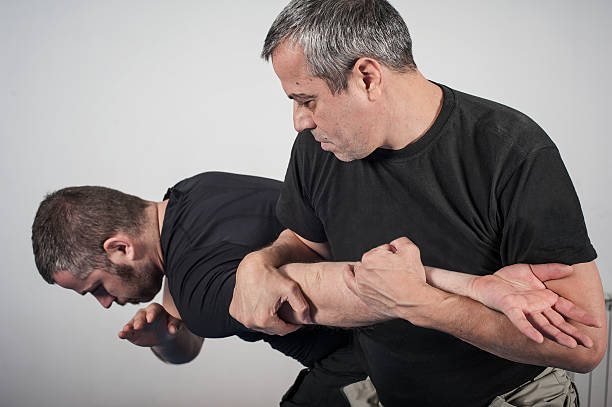
Kapap instructor demonstrates arm bar techniques with his student

How Sports Psychology Enhances Focus, Confidence, and Competitive Edge in Athletes

In the world of competitive sports, physical skill alone rarely guarantees success. Mental toughness is often the defining factor that separates good athletes from elite performers. Sports psychology plays a pivotal role in helping athletes sharpen their focus, boost self-confidence, and develop a stronger competitive edge. Below, we delve into how these psychological techniques can elevate athletic performance to the next level.

The Importance of Focus in Athletic Performance

  • Mindfulness Training: Techniques like mindfulness meditation enable athletes to stay present and avoid distractions during competition.
  • Pre-Performance Routines: Establishing consistent routines can help athletes mentally prepare for games or events by putting them in the right headspace.
  • Attention Control Practices: Exercises that teach athletes to shift between broad and narrow focus points are effective for adapting to dynamic situations on the field or court.

Athletes who master these tools are better equipped to block out external noise, handle high-pressure moments, and stay composed when it matters most.

Building Confidence Through Mental Conditioning

  1. Visualization Techniques: Guided imagery helps athletes mentally rehearse successful performances before competing, reinforcing positive outcomes in their subconscious mind.
  2. Positive Self-Talk: Replacing negative thoughts with empowering affirmations strengthens self-belief and reduces self-doubt.
  3. Setting Achievable Goals: Breaking down long-term objectives into smaller milestones ensures steady progress while building confidence incrementally.

By consistently applying these techniques, athletes develop a resilient sense of self-assurance that remains intact through challenges.

Strategies for Gaining a Competitive Edge

  • Stress Management Tools: Learning how to regulate stress responses through breathing exercises or relaxation training improves decision-making under pressure.
  • Adaptability Training: Teaching athletes how to recover quickly from mistakes fosters resilience during competition.
  • Emotional Regulation Skills: Controlling emotions like frustration or anger prevents them from interfering with performance goals.
Mental Barrier Psychological Intervention
Fear of Failure Goal Setting & Reframing
Overthinking Under Pressure Mindfulness Practices
Lack of Motivation Intrinsic Motivation Techniques
Struggles with Consistency Performance Routines

By addressing these psychological hurdles head-on, sports psychologists enable athletes to unlock new levels of performance.

Final Thoughts

Sports psychology enhances focus, builds unshakable confidence, and sharpens an athlete’s competitive edge through scientifically-backed techniques tailored to individual needs. These mental skills serve as vital components in achieving peak performance—allowing athletes not only to excel but also thrive under the demands of high-level competition. Whether you’re vying for championships or striving for personal bests, leveraging sports psychology can make all the difference on your journey toward success.

How Athlete Performance Coaching McLean VA Can Elevate Your Game

Enhanced Mental Resilience

A sports psychologist helps athletes build resilience, which is essential for overcoming setbacks such as losses, injuries, or poor performances. They use evidence-based strategies to teach coping mechanisms and help athletes adopt a growth mindset. This ability to bounce back stronger is crucial in high-pressure situations. Key resilience-building techniques include:
Reframing failure: Viewing setbacks as learning opportunities instead of roadblocks
Visualization practices: Mentally rehearsing success to prepare for challenges
Stress management: Developing tools such as breathing exercises or mindfulness practices

Improved Focus and Concentration

Distractions during practice or competition can derail performance. Sports psychologists provide tools to enhance focus and maintain concentration in any environment. Techniques include:
– Attention control training (ACT) to block out distractions entirely
– Goal-setting strategies that prioritize what truly matters during performance
– Mindfulness exercises that train athletes to stay present in the moment

Additionally, many professionals help athletes create pre-performance routines that prime their minds for peak focus before games or races.

Boosted Confidence Levels

Confidence plays a pivotal role in athletic achievement, yet it often fluctuates based on recent successes or failures. A sports psychologist identifies the root causes of self-doubt and works with the athlete to develop unwavering self-belief through techniques such as:
– Positive self-talk techniques aimed at reprogramming negative inner dialogue into empowering affirmations
– Building on small, incremental successes as stepping stones toward larger goals

Table: Common Techniques Used by Sports Psychologists To Boost Confidence

Technique Description Example
Positive Self-Talk Replacing negative thoughts with affirming statements “I’ve trained hard; I’m ready.”
Visualization Picturing successful outcomes Seeing yourself scoring the game-winning goal
Performance Journaling Tracking progress over time Writing down daily improvements

Managing Performance Anxiety

Many athletes experience anxiety before events, which can hinder their ability to perform under pressure. Sports psychologists teach relaxation methods and cognitive behavioral techniques tailored to reduce these stressors. These methods may include: – Deep breathing exercises – Progressive muscle relaxation (PMR) for physical tension release – Cognitive restructuring, shifting perceptions about stress from negative to manageable

Research indicates that reducing anxiety improves reaction times, decision-making skills, and overall execution during competition.

Long-Term Personal Development

Beyond immediate athletic benefits, working with a sports psychologist promotes lasting personal growth by teaching life skills applicable off the field or court: – Developing emotional intelligence – Enhancing communication skills within team dynamics – Building a balanced approach between sport commitment and overall well-being

It becomes clear how addressing both mental barriers and enhancing psychological strengths creates more adaptable individuals prepared not only for sport but also life challenges ahead.

By integrating professional guidance into their training regimen every athlete gains access unlocking mental edge critical.


Performance Psychology McLean VA: Athans Coaching and Mindset Training for Athletes

istockphoto-2222927580-612×612

Performance Coaching focuses on empowering athletes to achieve their full potential, both physically and mentally. Through a well-structured approach, it integrates mindset training with performance strategies to create a comprehensive framework for success in sports.

What is Performance Coaching?

  • Mental toughness: The ability to stay calm and focused under challenging circumstances.
  • Optimized decision-making: Enhancing quick thinking during high-stress situations.
  • Confidence building: Strengthening self-belief to perform at one’s peak.

Key Components of Mindset Training

  1. Goal Setting
    Athletes are taught how to establish clear and measurable goals that align with both their short-term aspirations and long-term vision.
  2. Example: Setting performance benchmarks for each game or season.

  3. Visualization Techniques
    Mental imagery helps athletes rehearse key plays or moments in their minds before executing them on the field.

  4. Benefits include improved confidence and reduced anxiety.

  5. Emotional Regulation
    Learning how to manage emotions during competition ensures better focus:

  6. Controlling frustration after a mistake.
  7. Avoiding overexcitement that can lead to errors.

  8. Stress Management Tools
    Utilizing tools like mindfulness exercises, breathing techniques, or progressive muscle relaxation can help athletes maintain composure under pressure.

Technique Purpose Example
Visualization Build confidence & reduce anxiety Picturing a successful free throw in basketball
Breathing Exercises Immediate stress reduction Deep diaphragmatic breathing pre-performance
Progressive Relaxation Relieve physical tension Tensing then releasing muscle groups

Why Mindset Training Matters for Athletes

Mental conditioning is just as essential as physical training because the mind governs actions on the field, track, or court. Even elite athletes often attribute their success not just to physical prowess but also to mental strength.

Benefits include: – Improved focus during high-stakes moments such as playoffs or finals. – Greater adaptability when facing unexpected challenges like injuries or tough opponents. – Enhanced self-discipline both during training and competition.

Customized Solutions at Athans Coaching

The strength of Performance Coaching lies in its customizable approach tailored specifically for each athlete. No two individuals are alike; therefore: – Assessments are conducted before starting any program. – Tailored insights into an athlete’s unique strengths and weaknesses allow for precise intervention strategies.

Whether you’re navigating early stages of your athletic career or competing professionally, investing in mindset training equips you with lifelong tools for consistent excellence in sports performance.

McLean VA sports psychology counseling for Team Cohesion and Peak Performance

Team mindset training is an essential component for fostering cohesion, trust, and peak performance within athletic teams. Success in sports depends not only on individual talent but also on the collective synergy of the team. A strong, focused team mindset can be the difference between consistent performance and falling short of potential. Below, we explore key facets of effective team mindset training and strategies for cultivating a high-performing team culture.

Key Objectives of Team Mindset Training with a Sports Psychologist McLean VA

  1. Trust is the foundation of any successful team. Athletes must feel confident that their teammates will support them both on and off the field.
  2. Open communication and vulnerability among team members can strengthen trust.
  3. Activities like trust-building exercises or sharing personal experiences foster deeper connections.

  4. Clear communication minimizes misunderstandings during high-pressure situations.
  5. Teams benefit from learning how to provide constructive feedback and resolve conflicts effectively.
  6. Implementing tools such as pre-competition meetings or debriefs after games improves communication.

  7. A unified vision ensures all athletes are working toward a common objective.
  8. Coaches should collaborate with players to establish both short-term goals (e.g., improving teamwork in practice) and long-term goals (e.g., winning championships).
  9. Regularly revisiting these goals keeps the entire team motivated.

  10. Accountability ensures each athlete takes ownership of their role within the team structure.
  11. Teams can implement systems where athletes hold themselves—and each other—responsible for meeting expectations.

Practical Strategies for Building Team Cohesion

  • Mental Skills Training as a Group: Guided visualization sessions or relaxation techniques practiced together can create shared mental frameworks, enhancing group focus during competition.
  • Role Definition: Clearly defined roles eliminate confusion about responsibilities, whether on offense, defense, or in leadership positions.
  • Celebrate Successes: Recognizing individual contributions and collective victories reinforces positive behavior patterns across the group.

The Role of Coaches in Team Mindset Development

Coach’s Responsibility Impact on Team Dynamics
Encouraging open dialogue Builds trust between players and staff
Modeling positive behavior Sets an example for athletes to emulate
Providing tailored motivation Keeps athletes focused during adversity

Benefits of Strong Team Mindset

  1. Improved resilience under pressure
  2. Increased overall performance consistency
  3. Greater satisfaction among teammates due to reduced conflicts
  4. Heightened innovation through collaborative problem-solving

Training a team’s mindset requires ongoing effort, adaptability, and commitment from both players and coaching staff. By prioritizing open communication, trust-building exercises, and shared responsibility systems, teams are better positioned to achieve peak performance together as cohesive units.

Team Mindset Training to Build Cohesion and Peak Performance

Successful teams are built not only on physical ability but also on their collective mental resilience and unity. Team mindset training focuses on fostering collaboration, communication, and shared goals to drive exceptional group performance. A sports psychologist can play a pivotal role in shaping these dynamics, creating an environment where every team member thrives.

Key Components of Team Mindset Training

  1. Aligning the team around clear goals and values is essential for cohesion.
  2. Teams that share a unifying purpose are more likely to persevere during setbacks.

  3. Trust fosters open communication, mutual respect, and accountability.
  4. Tools such as trust-building exercises and open discussions enhance relationships within the team.

  5. Effective communication minimizes misunderstandings and strengthens tactical coordination during games or competitions.
  6. Techniques include active listening exercises, non-verbal communication awareness, and conflict resolution strategies.

  7. Teams trained to handle adversity together rebound more effectively from losses or challenges.
  8. Strategies include group visualization sessions, stress management techniques, and post-performance evaluations to identify areas for growth.

Benefits of Team Mindset Training

Benefit Description
Improved Cohesion A unified approach leads to better synchronization during practices/games.
Enhanced Problem Solving Collective decision-making becomes faster and more effective under pressure.
Increased Motivation Shared goals inspire each athlete to give their best effort consistently.
Better Stress Management Teams learn how to maintain focus regardless of external pressures.

Practical Strategies for Coaches

  • Team Building Activities: Structured exercises designed to promote understanding and camaraderie among players.
  • Focus on Roles & Responsibilities: Helping athletes understand their individual contributions within the team framework.
  • Pre-Game Mental Preparation: Guided breathing techniques or motivational group talks before competition.
  • Post-Match Reflections: Encouraging open feedback from players while celebrating successes as a unit.

The Role of Leadership in Mindset Training

  • Coaches should model behaviors they want reflected within their teams—whether it’s resilience under pressure or maintaining positivity during setbacks.
  • Captains or senior players can act as mental performance advocates by encouraging teammates through challenges.

By focusing on psychological aspects alongside physical preparation, team mindset training paves the way for sustained success both on and off the field.

Athlete Performance Coaching McLean VA for Leadership and Growth Development

Effective coaching is not merely about improving technical skills or creating game strategies. It involves fostering leadership qualities within coaches and equipping them with the tools to support the mental and emotional development of their athletes. This dual focus on leadership and athlete growth forms the cornerstone of sustainable success in sports.

The Role of Coaches in Leadership and Athlete Development

  • Leadership by Example: Coaches model behaviors such as discipline, resilience, and a growth mindset.
  • Mentorship: Offering guidance to athletes beyond their physical performance, including navigating challenges on and off the field.
  • Creating an Empowering Environment: Encouraging open communication, fostering trust, and creating a culture that prioritizes teamwork.
  • Goal Setting: Assisting athletes in setting measurable goals for personal growth and performance improvement.

Key Areas for Coach Development

1. Emotional Intelligence (EQ)

Coaches with high emotional intelligence can better understand, empathize with, and support their athletes. Building EQ involves: – Recognizing emotions in oneself and others. – Managing stress effectively during high-pressure situations. – Adapting communication styles based on individual athlete needs.

2. Communication Skills

Clear communication is essential for building trust with athletes. Some ways to improve include: – Practicing active listening during conversations. – Using positive reinforcement to motivate athletes. – Avoiding overly critical language that could hinder confidence.

3. Mental Performance Strategies

A coach well-trained in mental performance techniques can help athletes build resilience under pressure: – Incorporating visualization exercises into training routines. – Teaching mindfulness techniques to improve focus during competitions.

Skill/Quality Benefit for Athletes Result
Emotional Intelligence Builds stronger relationships Increased trust & team cohesion
Communication Skills Ensures clarity & motivation Greater confidence & understanding
Mental Performance Prepares athletes for high-pressure moments Enhanced focus & resilience

4. Conflict Resolution

Addressing conflicts promptly and constructively helps maintain team harmony: – Identifying underlying issues rather than addressing only surface-level problems. – Facilitating open discussions among team members to resolve misunderstandings.


istockphoto-2236702563-612×612

Benefits of Investing in Coach Development

  1. Stronger Team Cohesion A coach with strong leadership skills fosters unity among players by aligning them around shared goals.

  2. Improved Athletic Performance Athletes who feel supported mentally often perform better physically due to increased confidence.

  3. Better Retention Rates Positive coach-athlete relationships reduce burnout rates, keeping players engaged both on the field and during practice sessions.

By focusing on enhancing leadership capacity alongside supporting athlete development, coaches create an environment where everyone thrives—on both personal and professional levels. This intentional approach contributes not only to immediate wins but also long-term success for teams as a whole.

Understanding Yourself: The First Step in Mental Performance Excellence

To achieve mental performance excellence in sports, understanding yourself is the foundation. This critical step helps athletes unlock their true potential by fostering self-awareness, identifying strengths and limitations, and setting a clear path for growth. Here’s how you can prioritize self-understanding to enhance your mental and athletic performance.

Why Self-Awareness Matters

  • Manage stress during critical moments.
  • Build focus and concentration despite distractions.
  • Overcome self-doubt or fear of failure.
  • Align goals with personal values, creating a deeper sense of purpose.

Steps to Develop Self-Awareness

  1. Identify patterns during successful performances: What mindset contributed to your success?
  2. Examine moments of struggle: What internal barriers held you back?

  3. Use tools such as personality assessments or mental skills inventories.
  4. Gain feedback from coaches or teammates for an external perspective.

  5. Maintain a journal to document emotions experienced in training or competition.
  6. Identify triggers for positive emotions (confidence, motivation) versus negative ones (frustration, anxiety).

  7. Define what drives you as an athlete—your “why.”
  8. Ensure goals align with personal values for sustained motivation.

Tools for Self-Assessment

Tool Purpose Example Practice
Journaling Document thoughts and emotions regularly Write about pre-competition routines
Visualization Mentally rehearse scenarios to understand reactions Imagine overcoming pressure situations
Mindset Surveys Evaluate mental skills like focus, resilience, or confidence Use online assessments
Meditation & Mindfulness Build awareness of thoughts without judgment Practice 5–10 minutes daily

Benefits of Starting with Self-Understanding

  • Improved Decision-Making: Greater awareness helps athletes react thoughtfully rather than impulsively during high-pressure situations.
  • Enhanced Emotional Regulation: Recognizing emotional cues allows better control over nerves or frustration on game day.
  • Stronger Mental Resilience: When athletes understand their stressors and coping mechanisms, they bounce back more effectively from setbacks.

Practical Tips for Athletes

  • Schedule weekly check-ins with yourself to reflect on progress in training and competition.
  • Incorporate meditation or mindfulness exercises into your daily routine.
  • Seek guidance from a sports psychologist or mindset coach who specializes in enhancing self-awareness.

Developing deep self-awareness is not a one-time task; it’s a continuous journey that evolves through practice and commitment. By taking the time to truly understand yourself as an individual and an athlete, you set the stage for long-term growth both mentally and physically.

Identifying Barriers and Cultivating Habits of Peak Performers

Achieving peak performance requires more than physical skill and tactical knowledge. Mental resilience, focus, and consistent habits play a crucial role in allowing athletes to perform at their best. However, before cultivating these habits, it’s essential to identify the barriers that may be limiting progress. By addressing these obstacles and fostering effective routines, athletes can unlock their full potential.

Common Barriers to Peak Performance

  • Lack of Confidence
    Doubting one’s abilities can lead to hesitation during critical moments in competition.

  • Fear of Failure
    Anxiety about making mistakes can prevent athletes from taking risks or performing at their peak level.

  • Negative Self-Talk
    A cycle of internal criticism may reduce focus and sap motivation.

  • Poor Stress Management
    High-pressure situations can overwhelm an athlete who lacks coping mechanisms.

  • Inconsistent Routines or Preparation
    Without structure and discipline, the foundation for peak performance may be unstable.

By identifying these challenges, athletes can work toward addressing them systematically with actionable strategies.

Cultivating Effective Habits for Peak Performance

  1. Establish short-term and long-term objectives that are specific, measurable, achievable, relevant, and time-bound (SMART).
  2. Break down larger goals into manageable steps for consistent progress.

  3. Incorporate mindfulness practices such as meditation or breathing exercises to improve focus under pressure.

  4. Regularly visualize successful outcomes during training or competition to build confidence and reinforce positive mental imagery.

  5. Develop rituals before practices or games (e.g., warm-ups, mental check-ins). These routines help create a sense of control and readiness.

  6. Replace negative thoughts with affirmations that encourage perseverance and self-belief: “I am prepared,” “I trust my training.”

  7. Prioritize recovery through proper nutrition, sleep hygiene, stretching routines, or even mental relaxation sessions to prevent burnout.

A Framework for Overcoming Obstacles

Step Action Example
Awareness Identify areas of struggle Recognize negative self-talk during competitions
Reflection Assess the root cause Determine if fear of failure is driving anxiety
Goal Setting Define objectives for improvement Build confidence by setting small daily targets
Routine-Building Develop daily habits aligned with goals Practice visualization techniques every evening
Monitoring Progress Track improvements over time Keep a journal noting mindset shifts

This systematic approach ensures measurable results while maintaining focus on long-term growth.

Focusing on identifying obstacles alongside building sustainable habits ensures athletes not only overcome their challenges but also lay the groundwork for consistent high performance over time.