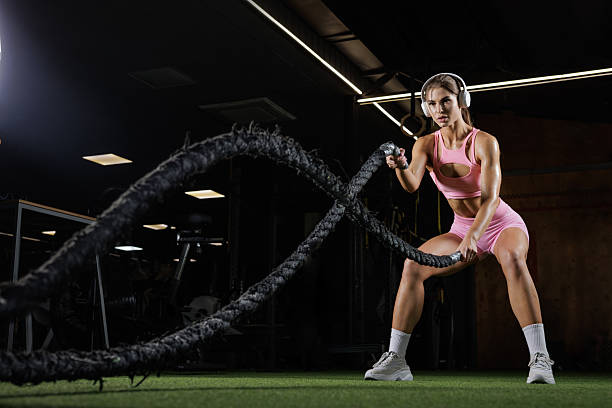
Sports psychology is an essential aspect of achieving peak performance in any athletic field. While physical training focuses on building strength, endurance, and skill, mental training hones the mindset necessary to excel under pressure, stay focused, and bounce back from setbacks. A strong mental game can often be the difference between winning and losing. Here’s how athletes can master their mindset to perform like champions.
The Importance of Mental Toughness
Mental toughness refers to an athlete’s ability to remain resilient, confident, and focused despite challenges or adversity. This psychological strength isn’t innate—it’s a skill that can be developed through intentional practice. Sports psychologists often work closely with athletes to cultivate this trait.
Key components of mental toughness include:
– Resilience: The ability to recover quickly from mistakes or failures.
– Composure under pressure: Staying calm and making sound decisions during high-stakes moments.
– Self-belief: Having confidence in one’s skills and preparation.
Strategies for Developing a Champion’s Mindset
- Establish clear short-term and long-term goals that are realistic but challenging.
-
Use the SMART framework (Specific, Measurable, Achievable, Relevant, Time-bound).
Example: Instead of “get better at running,” set a goal like “reduce my 5K time by 10 seconds within three months.” - Visualize successful performances in vivid detail before competition.
-
Practice imagining scenarios where you overcome challenges or obstacles effectively.
- Replace negative thoughts with positive affirmations (e.g., “I am prepared” instead of “What if I fail?”).
-
Develop mantras that promote focus and motivation during competition.
- Engage in mindfulness exercises such as meditation or deep breathing to improve focus.
-
Learn how to stay present in the moment instead of worrying about past mistakes or future outcomes.
- Create consistent routines before games or events that help establish focus.
- These routines might involve physical warm-ups, listening to music, or engaging in specific rituals like stretching sequences.
Benefits Beyond Performance
- Enhanced ability to manage stress both on and off the field.
- Greater satisfaction with athletic achievements.
- Improved relationships with teammates and coaches due to better emotional regulation.
| Mental Skill | Benefit | Example Practice |
|---|---|---|
| Resilience | Overcoming setbacks | Journaling lessons learned from failures |
| Focus | Sustained attention during play | Practicing mindfulness daily |
| Confidence | Performing without self-doubt | Repeating positive affirmations |
By integrating these techniques into their training regimens, athletes can unlock their full potential—both mentally and physically—and perform with the mindset of a true champion while maintaining emotional balance under competitive pressure.
How McLean VA sports psychology counseling Enhances Mental Strength and Athletic Performance
Sports psychologists play a pivotal role in helping athletes develop the mental tools necessary to excel in their respective sports. While physical training is often prioritized, mental strength frequently determines an athlete’s ability to perform under pressure, recover from setbacks, and maintain consistency. Below, we explore how sports psychologists contribute to improving both mental resilience and athletic performance.
Key Areas of Focus for a Sports Psychologist in McLean VA
- Mental Resilience: Helping athletes develop the ability to bounce back from failure or adversity.
- Motivation: Identifying personal drivers that sustain long-term commitment to training and competition goals.
- Focus and Concentration: Teaching techniques to eliminate distractions during critical moments of performance.
- Stress Management: Equipping athletes with strategies to stay calm under pressure.
- Confidence Building: Establishing belief in one’s abilities even in challenging situations.
Common Techniques Used by Sports Psychologists
- Athletes are guided through imagining themselves successfully executing specific skills or plays.
-
This technique enhances confidence and primes the brain for peak performance.
- Short-term goals: Help measure progress incrementally (e.g., improving personal bests).
-
Long-term goals: Define broader objectives such as championship wins or career milestones.
- Focuses on maintaining present-moment awareness without judgment.
-
Helps athletes manage nerves before events or recover from mistakes mid-performance.
- Identifies negative self-talk patterns and replaces them with constructive affirmations.
-
Boosts self-esteem while reducing performance anxiety.
- Develops consistent rituals before games or matches that help foster focus and relaxation.
How Mental Improvements Translate to Physical Results
| Mental Skill Enhanced | Physical Impact |
|---|---|
| Improved Focus | Better precision during critical moments |
| Stress Reduction | Fewer errors due to nerves or tension |
| Increased Confidence | Willingness to take risks, leading to greater success opportunities |
| Resilience | Faster recovery from losses/injuries |
| Motivation | Consistent effort in training; fewer burnout periods |
Why Mental Strength Matters as Much as Physical Training
Today’s competitive sports environment demands more than just physical prowess—mental fortitude gives athletes the edge they need over their opponents. Athletes who dedicate time to strengthening their mindset not only improve their individual performances but also become better team players by fostering positivity amid high-pressure situations.
Sports psychologists ensure that athletes are equipped with tools for sustained growth, helping them reach their full potential both mentally and physically.
The Role of a Sports Psychologist in Building Resilience and Overcoming Mental Barriers
Athletes often face immense physical and mental challenges, both on and off the field. These challenges include performance pressure, setbacks due to injuries, fear of failure, and the constant need to stay competitive. A sports psychologist plays a pivotal role in helping athletes build resilience and break through these mental barriers. By addressing psychological factors that influence performance, they empower athletes to thrive under pressure and recover quickly from adversity.
Key Ways Sports Psychologists Build Resilience
- Cognitive Restructuring: Helping athletes identify negative thought patterns and replacing them with positive affirmations or constructive self-talk.
- Stress Management Techniques: Teaching relaxation methods such as deep breathing exercises or progressive muscle relaxation to reduce anxiety levels.
- Goal Setting: Encouraging athletes to set realistic, process-oriented goals that maintain motivation during challenging periods.
- Visualization Exercises: Guiding athletes through mental imagery techniques where they rehearse successful outcomes or see themselves overcoming obstacles.
- Mindfulness Training: Introducing mindfulness practices that help athletes stay present and focused instead of being overwhelmed by external pressures.
Breaking Mental Barriers
| Mental Barrier | Psychological Strategy | Outcome |
|---|---|---|
| Fear of Failure | Focus on mastery rather than outcome | Increased willingness to take risks and learn from mistakes |
| Lack of Confidence | Positive reinforcement and achievements tracking | Boosted self-esteem and competence |
| Performance Anxiety | Relaxation training and exposure therapy | Improved ability to stay calm under pressure |
| Overthinking During Games | Use of cue words or routines | Enhanced focus on the present moment |
Case Study Example: Turning Setbacks into Success
- Implement relaxation techniques to reduce anxiety about reinjury.
- Use visualization exercises where the player envisions themselves excelling post-recovery.
- Create small milestones for gradual progress, celebrating each accomplishment.
Over time, this structured approach helps transform feelings of defeat into motivation for growth.
Long-Term Benefits
- Improved adaptability
- Enhanced emotional regulation
- Greater perseverance in facing challenges
- Stronger mental endurance even outside competitive settings
By fostering resilience and removing mental blocks, sports psychologists enable athletes to unlock their true potential while maintaining a healthy relationship with their sport.
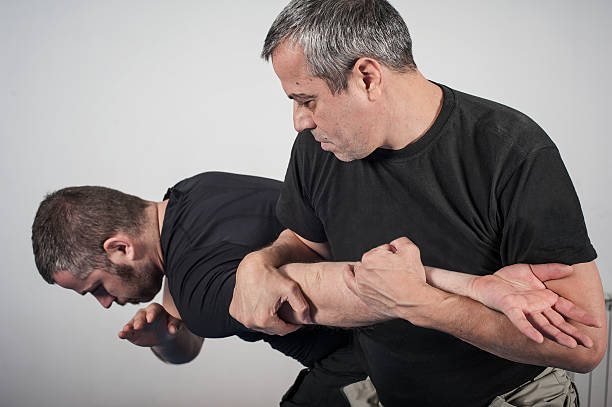
How Sports Psychology Enhances Focus, Confidence, and Competitive Edge in Athletes
In the world of competitive sports, physical skill alone rarely guarantees success. Mental toughness is often the defining factor that separates good athletes from elite performers. Sports psychology plays a pivotal role in helping athletes sharpen their focus, boost self-confidence, and develop a stronger competitive edge. Below, we delve into how these psychological techniques can elevate athletic performance to the next level.
The Importance of Focus in Athletic Performance
- Mindfulness Training: Techniques like mindfulness meditation enable athletes to stay present and avoid distractions during competition.
- Pre-Performance Routines: Establishing consistent routines can help athletes mentally prepare for games or events by putting them in the right headspace.
- Attention Control Practices: Exercises that teach athletes to shift between broad and narrow focus points are effective for adapting to dynamic situations on the field or court.
Athletes who master these tools are better equipped to block out external noise, handle high-pressure moments, and stay composed when it matters most.
Building Confidence Through Mental Conditioning
- Visualization Techniques: Guided imagery helps athletes mentally rehearse successful performances before competing, reinforcing positive outcomes in their subconscious mind.
- Positive Self-Talk: Replacing negative thoughts with empowering affirmations strengthens self-belief and reduces self-doubt.
- Setting Achievable Goals: Breaking down long-term objectives into smaller milestones ensures steady progress while building confidence incrementally.
By consistently applying these techniques, athletes develop a resilient sense of self-assurance that remains intact through challenges.
Strategies for Gaining a Competitive Edge
- Stress Management Tools: Learning how to regulate stress responses through breathing exercises or relaxation training improves decision-making under pressure.
- Adaptability Training: Teaching athletes how to recover quickly from mistakes fosters resilience during competition.
- Emotional Regulation Skills: Controlling emotions like frustration or anger prevents them from interfering with performance goals.
| Mental Barrier | Psychological Intervention |
|---|---|
| Fear of Failure | Goal Setting & Reframing |
| Overthinking Under Pressure | Mindfulness Practices |
| Lack of Motivation | Intrinsic Motivation Techniques |
| Struggles with Consistency | Performance Routines |
By addressing these psychological hurdles head-on, sports psychologists enable athletes to unlock new levels of performance.
Final Thoughts
Sports psychology enhances focus, builds unshakable confidence, and sharpens an athlete’s competitive edge through scientifically-backed techniques tailored to individual needs. These mental skills serve as vital components in achieving peak performance—allowing athletes not only to excel but also thrive under the demands of high-level competition. Whether you’re vying for championships or striving for personal bests, leveraging sports psychology can make all the difference on your journey toward success.
How Athlete Performance Coaching McLean VA Can Elevate Your Game
Enhanced Mental Resilience
A sports psychologist helps athletes build resilience, which is essential for overcoming setbacks such as losses, injuries, or poor performances. They use evidence-based strategies to teach coping mechanisms and help athletes adopt a growth mindset. This ability to bounce back stronger is crucial in high-pressure situations. Key resilience-building techniques include:
– Reframing failure: Viewing setbacks as learning opportunities instead of roadblocks
– Visualization practices: Mentally rehearsing success to prepare for challenges
– Stress management: Developing tools such as breathing exercises or mindfulness practices
Improved Focus and Concentration
Distractions during practice or competition can derail performance. Sports psychologists provide tools to enhance focus and maintain concentration in any environment. Techniques include:
– Attention control training (ACT) to block out distractions entirely
– Goal-setting strategies that prioritize what truly matters during performance
– Mindfulness exercises that train athletes to stay present in the moment
Additionally, many professionals help athletes create pre-performance routines that prime their minds for peak focus before games or races.
Boosted Confidence Levels
Confidence plays a pivotal role in athletic achievement, yet it often fluctuates based on recent successes or failures. A sports psychologist identifies the root causes of self-doubt and works with the athlete to develop unwavering self-belief through techniques such as:
– Positive self-talk techniques aimed at reprogramming negative inner dialogue into empowering affirmations
– Building on small, incremental successes as stepping stones toward larger goals
Table: Common Techniques Used by Sports Psychologists To Boost Confidence
| Technique | Description | Example |
|---|---|---|
| Positive Self-Talk | Replacing negative thoughts with affirming statements | “I’ve trained hard; I’m ready.” |
| Visualization | Picturing successful outcomes | Seeing yourself scoring the game-winning goal |
| Performance Journaling | Tracking progress over time | Writing down daily improvements |
Managing Performance Anxiety
Many athletes experience anxiety before events, which can hinder their ability to perform under pressure. Sports psychologists teach relaxation methods and cognitive behavioral techniques tailored to reduce these stressors. These methods may include: – Deep breathing exercises – Progressive muscle relaxation (PMR) for physical tension release – Cognitive restructuring, shifting perceptions about stress from negative to manageable
Research indicates that reducing anxiety improves reaction times, decision-making skills, and overall execution during competition.
Long-Term Personal Development
Beyond immediate athletic benefits, working with a sports psychologist promotes lasting personal growth by teaching life skills applicable off the field or court: – Developing emotional intelligence – Enhancing communication skills within team dynamics – Building a balanced approach between sport commitment and overall well-being
It becomes clear how addressing both mental barriers and enhancing psychological strengths creates more adaptable individuals prepared not only for sport but also life challenges ahead.
By integrating professional guidance into their training regimen every athlete gains access unlocking mental edge critical.
- Achieve Peak Performance with McLean VA Sports Psychology Counseling
- Exploring Performance Psychology McLean VA and Its Role in Athletic Success
- Exploring Performance Psychology in McLean VA: Enhancing Athletes’ Mental Well-being and Success
- Mastering Performance Psychology in McLean VA: Think Like a Champion, Perform Like a Warrior
- Performance Psychology McLean VA: Athans Coaching and Mindset Training for Athletes
- Exploring Athlete Performance Coaching in McLean VA: The Role of Sport Psychology
- Exploring Performance Psychology in McLean VA: Enhancing Mental Skills for Athletic Success and Coaching